
Bringing houseplants into your home is a wonderful way to add a touch of nature and improve indoor air quality. However, keeping them healthy requires a bit of attention and care. Whether you are a seasoned plant parent or just starting, these tips will help your indoor greenery flourish.
Understanding Your Houseplant Needs
Different plants have different requirements. Before buying or caring for a plant, always research its specific needs. Here are the key factors to consider:
Light
Plants rely on light for photosynthesis, so providing the right amount is crucial.
– Bright light plants: Succulents, cacti, and many flowering plants need lots of direct sunlight.
– Medium light plants: Philodendrons and snake plants prefer indirect or filtered light.
– Low light plants: Pothos and ZZ plants can tolerate shade and low light levels.
Observe where you place your plants, and adjust their location based on how they respond over time.
Water
Overwatering is one of the most common causes of plant problems.
– Check soil moisture before watering by sticking your finger about an inch into the soil.
– Most houseplants prefer to dry out a bit between watering.
– Use pots with drainage holes to prevent water from pooling at the bottom.
– Adjust watering frequency based on the season—plants usually need less water in winter.
Humidity
Many houseplants thrive in humid conditions.
– Increase humidity by misting plants regularly.
– Use a humidity tray or place a small humidifier nearby.
– Group plants together to create a microenvironment with higher humidity.
Temperature
Most houseplants prefer stable temperatures between 65°F and 75°F (18°C to 24°C).
– Avoid placing plants near drafts, heaters, or air conditioners.
– Sudden temperature changes can stress plants and cause leaf drop.
Best Practices for Daily and Weekly Care
Consistency is key in plant care. Here’s a simple routine to follow:
Weekly Checklist
– Check soil moisture and water accordingly.
– Inspect leaves for signs of pests or disease.
– Remove dust from leaves using a soft cloth or gentle rinse.
– Rotate plants slightly to ensure even growth on all sides.
Monthly Tasks
– Fertilize your plants with a balanced, water-soluble fertilizer following package instructions.
– Prune dead or yellowing leaves to encourage new growth.
– Repot plants if roots are crowding the container, typically every 1-2 years.
Common Issues and How to Fix Them
Even with the best care, problems can arise. Here are some typical challenges and tips to address them:
Yellowing Leaves
– Often caused by overwatering or poor drainage.
– Check soil moisture and reduce watering.
– Confirm the pot has adequate drainage.
Wilting or Drooping
– May indicate underwatering or root issues.
– Water the plant thoroughly and observe recovery.
– Check for root rot if the soil smells foul or stays soggy.
Brown Leaf Tips
– Usually a sign of low humidity or too much fertilizer.
– Increase humidity around the plant.
– Cut back on fertilizing frequency.
Pests
– Common pests include spider mites, aphids, and scale insects.
– Isolate the affected plant.
– Wipe leaves with a mild insecticidal soap or neem oil spray.
– Repeat treatment weekly until pests are gone.
Choosing the Right Soil and Pots
Good soil and pots contribute a lot to plant health.
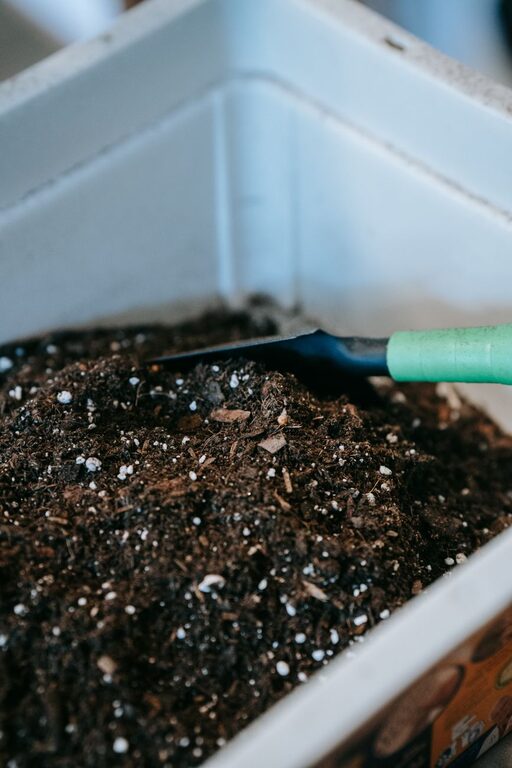
– Use a well-draining potting mix suited for your specific plant type.
– Avoid garden soil as it can compact and harbor pests.
– Pick pots with drainage holes to prevent water buildup.
– If using decorative pots without drainage, water carefully and monitor soil moisture closely.
Encouraging Healthy Growth
Here are some extra tips to boost your plants’ vitality:
– Provide adequate airflow: Proper air circulation helps prevent fungal issues.
– Use grow lights: For low-light homes, supplemental LED grow lights can help.
– Clean leaves regularly: Dust and grime can block light absorption.
– Be patient: Plants often take time to adjust to new environments or after repotting.
Final Thoughts
Caring for houseplants is a rewarding hobby that brings beauty and fresh air into your living space. By paying attention to their light, water, humidity, and temperature needs, and staying consistent with care, your plants will thrive for years to come. Remember, each plant is unique, so watch how yours responds and adjust care accordingly. Happy planting!
About the Author