Composting at home is a rewarding and eco-friendly way to reduce waste while enriching your garden soil. If you’re new to composting, the process may seem confusing at first, but it doesn’t have to be complicated. In this guide, you’ll find beginner tips to help you start composting right in your backyard or even in a small indoor space.
What Is Composting?
Composting is the natural process of recycling organic matter, such as food scraps and yard waste, into a rich soil amendment known as compost. This nutrient-rich material helps improve soil health, retain moisture, and support plant growth.
Why Start Composting at Home?
– Reduces landfill waste: Composting keeps food scraps and garden waste out of landfills, where they would produce methane, a potent greenhouse gas.
– Improves soil quality: Compost adds valuable nutrients and improves soil structure.
– Saves money: By creating your own fertilizer, you’ll reduce the need to buy commercial products.
– Supports plant health: Healthy soil leads to stronger, more resilient plants.
Getting Started with Composting: What You Need
You don’t need a large garden or expensive equipment to compost at home. Here’s what you’ll need:
1. Choose a Compost Bin or Pile
– Compost bin: Available in various sizes, bins help keep compost contained, reduce pests, and speed up decomposition.
– Compost pile: If you have space, simply create a pile in a corner of your yard. It’s free and easy to manage.
– Indoor composting: For small spaces, consider a worm composting bin (vermicomposting) or a countertop compost tumbler.
2. Location
Place your compost bin or pile in a convenient spot with good drainage and some shade. Avoid areas with standing water or heavy foot traffic.
What Can You Compost?
Composting works best when you balance two types of materials:
Greens (Nitrogen-rich materials)
– Fruit and vegetable scraps
– Coffee grounds and filters
– Tea bags (without synthetic parts)
– Fresh grass clippings
– Plant trimmings
Browns (Carbon-rich materials)
– Dry leaves
– Straw or hay
– Shredded newspaper or cardboard (non-glossy)
– Wood chips or sawdust (untreated)
– Paper towels and napkins (unbleached)
What Not to Compost
Avoid adding these items to your compost:
– Meat, fish, and bones
– Dairy products
– Oils and fats
– Pet waste
– Diseased plants or weeds with seeds
– Synthetic materials like plastics
Step-by-Step Composting Process
1. Layer Your Materials
Start by adding a layer of coarse browns like small branches or straw at the bottom for aeration. Then alternate layers of greens and browns, about 2–3 inches thick each.
2. Maintain Moisture
Your compost should be as damp as a wrung-out sponge. If it’s too dry, add water; if too wet, add more browns.
3. Turn Your Pile
Aerate the pile by turning it with a garden fork or compost aerator every 1–2 weeks. This helps speed up decomposition and reduces odors.
4. Be Patient
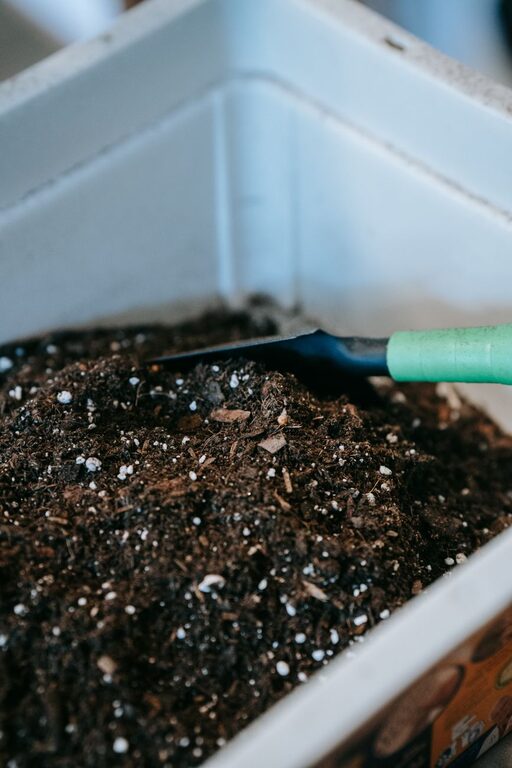
Depending on conditions, compost can take from a few months up to a year to become ready. Finished compost looks dark, crumbly, and smells earthy.
Troubleshooting Common Composting Problems
| Problem | Cause | Solution |
|———————-|——————————-|————————————-|
| Bad odors | Too much green or moisture | Add more browns and turn pile |
| Slow decomposition | Not enough air or water | Turn pile and add water if dry |
| Pest attraction | Food scraps like meat or fruit | Avoid these items, cover scraps |
| Pile too dry | Lack of moisture | Water and mix in greens |
Tips for Successful Home Composting
– Chop or shred large scraps to speed decomposition.
– Regularly check moisture and aerate your pile.
– Use a compost thermometer to monitor temperature, aiming for 130-160°F to kill pathogens.
– Add finished compost to garden beds, potting mixes, or as mulch.
– Start small and gradually increase your composting volume as you gain confidence.
Conclusion
Composting at home is a simple and effective way to turn everyday waste into valuable resources for your garden. With a little effort and attention to balance, moisture, and aeration, you can enjoy the many benefits of composting, including healthier plants and a greener planet. Start today with these beginner tips and grow your composting skills step by step!
About the Author