
Journaling every day can be a powerful tool for personal growth, self-reflection, and stress relief. If you’re new to journaling, this beginner guide will walk you through everything you need to know to get started and maintain a daily practice. Whether you want to increase creativity, track your goals, or simply clear your mind, journaling is a flexible habit anyone can adopt.
Why Journal Every Day?
Journaling offers many benefits that can improve your mental and emotional well-being. Here are some reasons to write daily:
– Boost creativity: Putting your thoughts on paper helps spark new ideas and fresh perspectives.
– Reduce stress: Writing about your feelings can relieve anxiety and clear mental clutter.
– Track progress: Documenting your goals and habits encourages consistency and motivation.
– Improve self-awareness: Reflecting on your experiences deepens understanding of yourself.
– Enhance memory: Writing regularly assists with remembering events and important details.
By making journaling a daily habit, you increase these benefits and create a meaningful routine.
Choosing the Right Journal and Tools
Starting with the right materials can make journaling more enjoyable. Here are some suggestions:
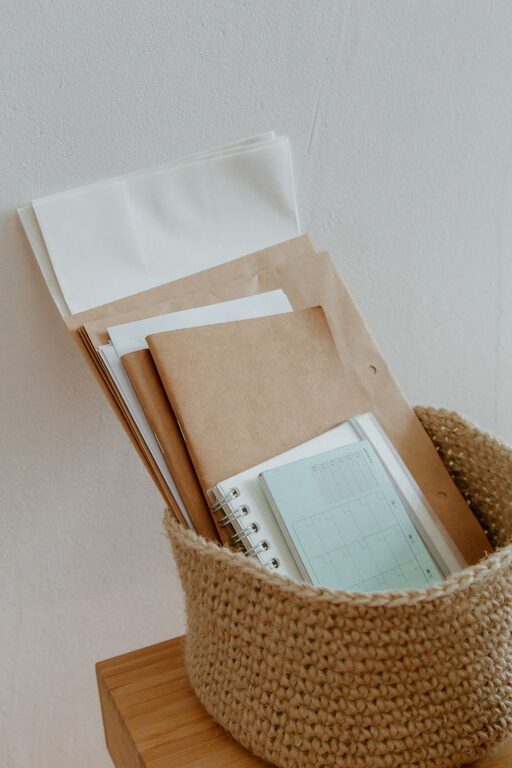
– Notebook or journal: Choose something that feels comfortable to write in. You can use a lined journal, a dot grid notebook, or plain paper.
– Writing instrument: Pick pens, pencils, or markers you enjoy using. Colored pens can make journaling more creative.
– Digital journaling: Some people prefer journaling on a computer, tablet, or phone using apps like Day One or Journey. This can be convenient for prompts and backups.
Select tools that suit your style and encourage you to keep writing without hassle.
How to Start Journaling Every Day
Beginning a daily journaling habit might feel intimidating, but it’s easier when you follow simple steps.
1. Set Realistic Goals
Start small by deciding to write just 5 minutes or a few sentences each day. Gradually increase time as you get comfortable.
2. Pick a Consistent Time
Choose a time that works for you—morning, lunch break, or before bed. Creating a routine helps turn journaling into a habit.
3. Find a Quiet Space
Writing in a calm, comfortable spot minimizes distractions and helps you focus.
4. Use Prompts to Get Started
If you’re stuck on what to write, try prompts such as:
– What am I grateful for today?
– What was the best part of my day?
– What challenges did I face and how did I handle them?
– What are my goals for tomorrow?
Prompts can inspire reflection, especially when you’re new to journaling.
5. Be Honest and Kind
Your journal is for you only. Write without judgment or editing. Honesty builds trust with yourself, and kindness fosters self-compassion.
Different Types of Journaling to Explore
You don’t have to stick to one style. Experimenting can make journaling more interesting.
– Gratitude journal: Focus on things you appreciate daily.
– Bullet journal: Combine to-do lists, goals, and notes in one organized place.
– Dream journal: Record your dreams to explore subconscious thoughts.
– Creative journal: Use drawings, doodles, or poetry alongside writing.
– Reflective journal: Analyze your feelings and experiences deeply.
Trying different types helps you find what motivates and supports you best.
Tips for Maintaining Your Daily Journaling Habit
Sticking with journaling daily can be easier with these strategies.
– Keep your journal visible: Place it somewhere you’ll see it each day.
– Set reminders: Use alarms or calendar alerts to prompt writing time.
– Forgive missed days: Don’t get discouraged if you skip a day. Just start fresh the next day.
– Share selectively: You can keep your journal private or share excerpts with trusted friends or online communities.
– Review your entries: Look back occasionally to appreciate growth and insights.
Final Thoughts
Journaling every day doesn’t have to be a chore. It’s a flexible, personal practice that grows with you. Start small, be patient, and allow yourself to enjoy the journey of self-expression and discovery.
With consistent effort, daily journaling can become a treasured part of your routine that supports mindfulness, creativity, and well-being. Grab a pen and start writing today!
About the Author