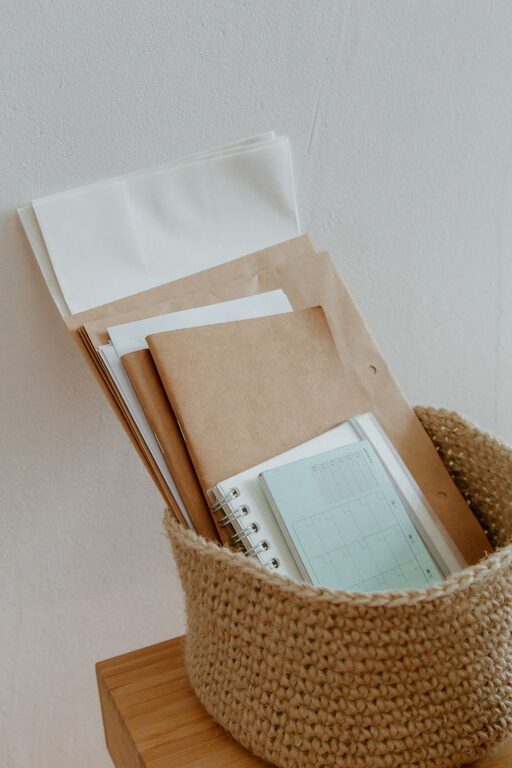
Paper clutter can quickly take over our homes, leading to disorganization and unnecessary stress. With bills, receipts, mail, school papers, and miscellaneous documents piling up, it’s easy to feel overwhelmed. The good news is that reducing household paper clutter doesn’t have to be difficult or time-consuming. By adopting simple strategies and creating regular habits, you can maintain a tidy home and enjoy a clearer, calmer space.
In this post, we’ll explore straightforward and practical ways to reduce paper clutter at home.
Why Reducing Paper Clutter Matters
Before diving into the how-to, here’s why it’s worth tackling paper clutter:
– Saves Space: Less paper means more room on your counters, desks, and in drawers.
– Improves Focus: A cleaner environment can help reduce distractions and increase productivity.
– Eases Stress: Knowing where important papers are and having a neat space can lower anxiety.
– Protects Important Documents: Organized papers are less likely to be lost or damaged.
1. Go Paperless Whenever Possible
One of the most effective ways to reduce paper clutter is to embrace digital alternatives.
– Electronic Billing: Sign up for e-statements and electronic bills to avoid piles of mail.
– Digital Notes and Lists: Use apps or your phone’s notes feature instead of paper sticky notes.
– Online Document Storage: Upload important documents, receipts, and manuals to cloud storage services.
By switching to digital options, you’ll reduce the amount of incoming paper significantly.
2. Set Up an Efficient Paper Management System
Having a system in place can prevent paper from piling up.
Create Designated Zones
– Inbox Tray: Place a tray or box near your main entry point for incoming mail and papers.
– Action Folder: Use a folder for items that need attention, such as bills to pay or forms to complete.
– Filing System: Set up labeled folders or a filing cabinet for papers you need to keep, such as tax documents or warranties.
Sort Regularly
Instead of letting papers accumulate, sort your inbox daily or weekly. Decide what to:
– File: Keep for future reference.
– Act On: Handle immediately or schedule time for it.
– Shred or Recycle: Dispose of papers you no longer need, especially those containing sensitive information.
3. Declutter Paper in Batches
If your paper clutter has already become overwhelming, tackle it in small, manageable sessions.
– Set a Timer: Spend 15-30 minutes sorting through papers each day.
– Categorize: Group papers into categories like bills, schoolwork, or manuals to make sorting easier.
– Purge Ruthlessly: Be honest about what you truly need to keep.
This gradual approach makes the process less daunting.
4. Use Technology to Organize and Store Paper Documents
Investing in some basic technology can save time and space:
– Scanner or Scanner Apps: Digitize important papers and store them on your computer or cloud.
– Labeling Software: If you keep physical files, label folders clearly for easy retrieval.
– Reminder Apps: Set digital reminders for bill payments or deadlines linked to those documents.
5. Reduce Incoming Paper
Controlling what enters your home in the first place is key.
– Unsubscribe: Remove your name from junk mail lists and catalogs you no longer want.
– Choose Digital Receipts: When shopping, ask for email receipts instead of paper ones.
– Consolidate Mail: Request combined statements or less frequent mailings from service providers.
6. Create a Paper-Friendly Workspace
If you regularly work with paper at home, having a neat and functional area helps prevent clutter.
– Keep Supplies Handy: Have a shredder, recycling bin, and filing supplies close by.
– Limit Desk Items: Only keep current projects or necessary documents on your workspace.
– Schedule Cleanup Times: Quickly tidy your desk at the end of each day.
7. Manage Kids’ Paperwork
Children often bring home an abundance of papers from school and activities.
– Designate a Display Spot: Use a bulletin board or wall space to showcase important or recent papers.
– Create Storage Bins: Assign bins or folders for school forms, artwork, and notes.
– Regular Review: Routinely decide which items to keep, photograph, or recycle.
8. Recycle and Shred Responsibly
Paper clutter management isn’t just about reduction but also about proper disposal.
– Shred Sensitive Information: Protect your identity by shredding documents with personal data.
– Recycle Paper: Use your local recycling guidelines to dispose of non-sensitive paper.
– Encourage Family Participation: Make recycling and shredding a family habit.
Final Thoughts
Reducing household paper clutter is all about creating mindful habits and systems. Start by going paperless wherever possible, set up a simple yet effective organization system, and regularly sort and dispose of unneeded papers. With a bit of effort and consistency, you’ll enjoy a more peaceful and organized home environment.
Remember: perfection isn’t the goal; progress is. Even small changes can make a big difference in managing paper clutter and maintaining a tidy space.
About the Author