Planning meals around pantry staples is a smart and efficient way to reduce food waste, save money, and create wholesome dishes without the need for last-minute grocery runs. Whether you’re a busy professional, a student, or a home cook looking to simplify your routine, knowing how to use what you already have in your pantry can make meal preparation stress-free and enjoyable.
In this guide, we’ll explore practical steps and creative ideas to help you plan meals using pantry staples. You’ll learn how to stock your pantry, get inspired by ingredient combinations, and build balanced meals that satisfy your family’s tastes and nutritional needs.
Why Plan Meals from Pantry Staples?
Before diving into the how-to, let’s briefly explore why making meals from pantry staples is such a valuable skill:
– Saves time: You spend less time shopping and more time cooking.
– Saves money: Using what you have avoids unnecessary purchases and reduces food waste.
– Boosts creativity: Helps you experiment with different flavor combinations.
– Offers flexibility: Great for busy days when fresh ingredients aren’t available or convenient.
Step 1: Stock Your Pantry Smartly
Having a well-stocked pantry is the foundation of planning easy meals. Aim to keep a variety of versatile ingredients on hand. Here’s a list of common staples that work for many dishes:
Essential Pantry Staples to Keep
– Grains: Rice, pasta, quinoa, oats, couscous
– Canned goods: Beans (black, kidney, chickpeas), tomatoes, corn, coconut milk, tuna
– Baking essentials: Flour, sugar, baking powder, baking soda, yeast
– Oils and vinegars: Olive oil, vegetable oil, apple cider vinegar, balsamic vinegar
– Spices and herbs: Salt, pepper, garlic powder, cumin, chili flakes, dried basil, oregano, cinnamon
– Condiments: Soy sauce, mustard, ketchup, hot sauce, honey
– Broths and stocks: Chicken, beef, or vegetable broth (canned or powdered)
– Nuts and seeds: Almonds, walnuts, chia seeds, sunflower seeds
Keep your pantry organized and check expiration dates regularly. This will make it easier to see what you have and plan meals accordingly.
Step 2: Take Inventory and Get Inspired
Before planning meals, review your pantry contents carefully. Make a list or even take photos of your staples. This allows you to:
– Identify what you have enough of
– Spot ingredients that should be used soon
– Think about flavor combinations that work together
For example, canned tomatoes, beans, and rice could inspire a chili or stew. Pasta, olive oil, garlic, and canned tuna make for a quick and tasty pasta dish.
Step 3: Plan Balanced Meals Using Pantry Staples
A balanced meal usually includes a protein, carbohydrates, and vegetables or fruits. Depending on your diet preferences, pantry staples can cover these categories effectively. Let’s break down how to incorporate each:
Protein Sources from Pantry Staples
– Canned beans and lentils
– Canned fish (tuna, salmon, sardines)
– Nuts and seeds
– Nut butters
– Shelf-stable tofu or textured vegetable protein (TVP)
Carbohydrate Options
– Rice, pasta, couscous, or other grains
– Potatoes and sweet potatoes (if available)
– Bread or crackers
Vegetables and Fruits
While fresh produce is ideal, sometimes pantry staples include dried or canned vegetables and fruits:
– Canned tomatoes, corn, green beans, beets
– Dried fruits like raisins, apricots, or cranberries
– Pickled items or jarred vegetables
Feel free to supplement with fresh or frozen produce when available, but many pantry ingredients can carry the meal.
Step 4: Use Simple Meal Formulas
To make meal planning easier, use simple formulas based on what you have. Here are some examples:
One-Pot Meals
Combine grains, beans, canned tomatoes, broth, and spices to make stews, chili, or curries. These meals are easy to prepare and clean up.
Pasta Dishes
Cook pasta and toss it with olive oil, garlic, canned tuna, and herbs for a quick dinner. Add any canned or jarred vegetables you have.
Grain Bowls
Start with cooked rice or quinoa, add beans or nuts for protein, vegetables (fresh or canned), and drizzle with a simple dressing made from pantry oils and vinegar.
Wraps or Sandwiches
Use canned beans mashed with spices or nut butter as a spread. Add pickled vegetables or fresh salad greens if you have them.
Step 5: Adjust Recipes Based on What’s Available
Flexibility is key when cooking from pantry staples. You might not have a recipe that fits exactly what’s in your pantry, but you can substitute ingredients:
– Use different types of beans interchangeably.
– Swap one grain for another.
– Adjust seasonings to complement what you have.
If you have access to online recipe databases, search by ingredients you own. This can spark ideas and reduce the stress of figuring out what to make.
Step 6: Plan Weekly Menus and Prep Ahead
Once you know your staples and have ideas, plan a weekly menu based on what you want to eat and what you have. Writing it down helps avoid decision fatigue.
Set aside some time to prep ingredients, such as cooking a batch of rice or soaking beans overnight. This reduces cooking time on busy days.
Bonus Tips for Success
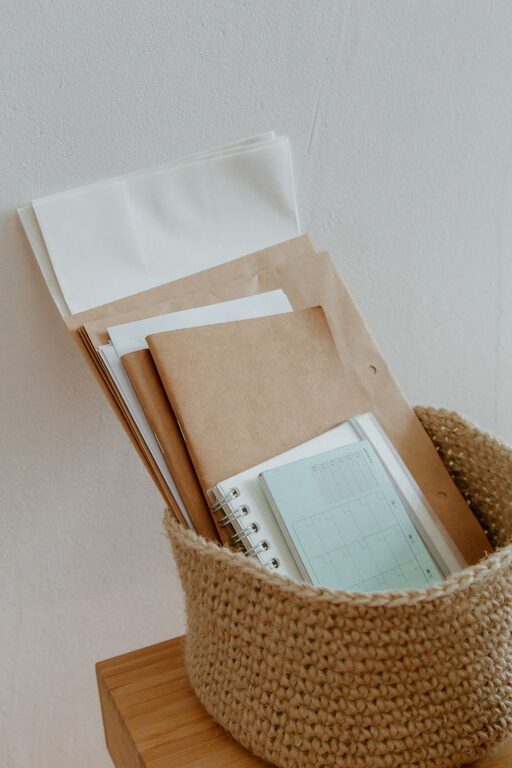
– Keep a small notebook in your kitchen to jot down meals you create or ingredients you want to buy.
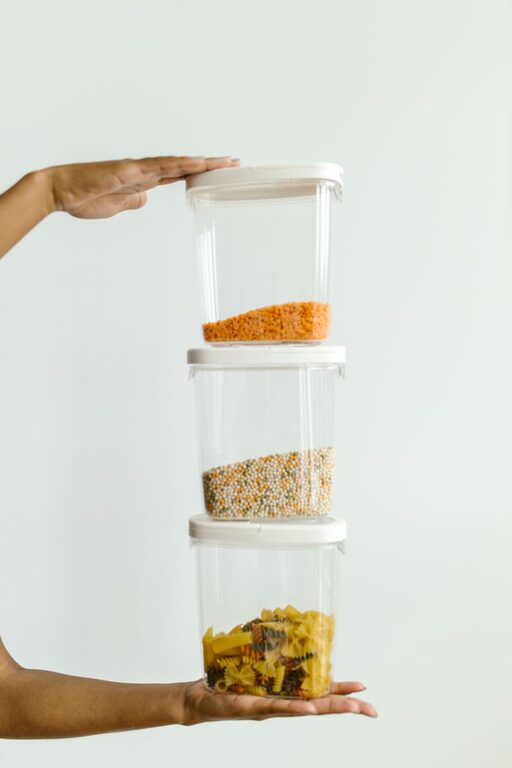
– Label containers when you transfer pantry items to clear jars, so you know what’s inside.
– Rotate pantry items by placing older supplies at the front.
– Experiment with spices to transform simple staples into flavorful dishes.
– Use leftover meals creatively, like turning chili into taco fillings or grain bowls into salads.
Conclusion
Planning meals from pantry staples is a practical way to make mealtime simpler and more affordable. By stocking your pantry thoughtfully, taking inventory regularly, and using flexible recipes, you can enjoy delicious, balanced meals any day of the week. Start with what’s in your pantry today, and watch how it opens up new culinary possibilities!
Happy cooking!
About the Author