Cleaning up after dinner can feel like a daunting task, especially after a long day. However, with a few simple strategies, you can make this routine quicker and less stressful. Whether you’re cooking for yourself, family, or guests, these ideas will help streamline your dinner cleanup and leave your kitchen sparkling in no time.
Plan Ahead for an Easier Cleanup
Use Minimal Cookware
One of the easiest ways to reduce cleanup time is to use as few pots, pans, and utensils as possible. Consider recipes that can be cooked in one pot or sheet pan meals that require just a baking tray and minimal prep tools. The fewer dishes you use, the less you’ll have to wash afterward.
Prep Ingredients in Advance
Preparing your ingredients before you start cooking can cut down on mess. Chop vegetables, measure spices, and organize everything in bowls before you begin. This approach helps avoid scattered ingredients and multiple utensils, which can create extra cleanup.
Make Cleanup Part of the Cooking Process
Wash as You Go
Instead of waiting until dinner is over, clean utensils, cutting boards, and pots while your meal is cooking. Washing a few items during simmering or baking times keeps the sink from overflowing and makes the final cleanup much easier.
Use Disposable or Reusable Liners
Consider using disposable parchment paper or silicone liners on baking sheets to prevent food from sticking. These liners can either be thrown away or quickly cleaned and reused, saving you scrubbing time.
Optimize Your Kitchen Setup
Keep Cleaning Supplies Nearby
Having sponges, dish soap, and cleaning cloths within easy reach encourages quick spot cleaning while cooking. Wiping up spills immediately prevents stains and sticky messes from forming.
Set Up a Dishwashing Station
Organize your sink area with a drying rack, soap dispenser, and scrubbers so that washing dishes is comfortable and efficient. A well-arranged station motivates you to tackle dirty dishes promptly.
Use Time-Saving Tools and Techniques
Invest in a Dishwasher
If you don’t have one already, a dishwasher can be a huge time saver. Rinsing dishes immediately after use and loading them directly into the dishwasher reduces manual work.
Soak Pots and Pans
For stubborn food residue, fill pots and pans with warm water and a little dish soap while you eat. This soaking loosens food particles and makes scrubbing much easier later.
Smart Meal Choices for Easy Cleanup
Opt for One-Pot or One-Pan Meals
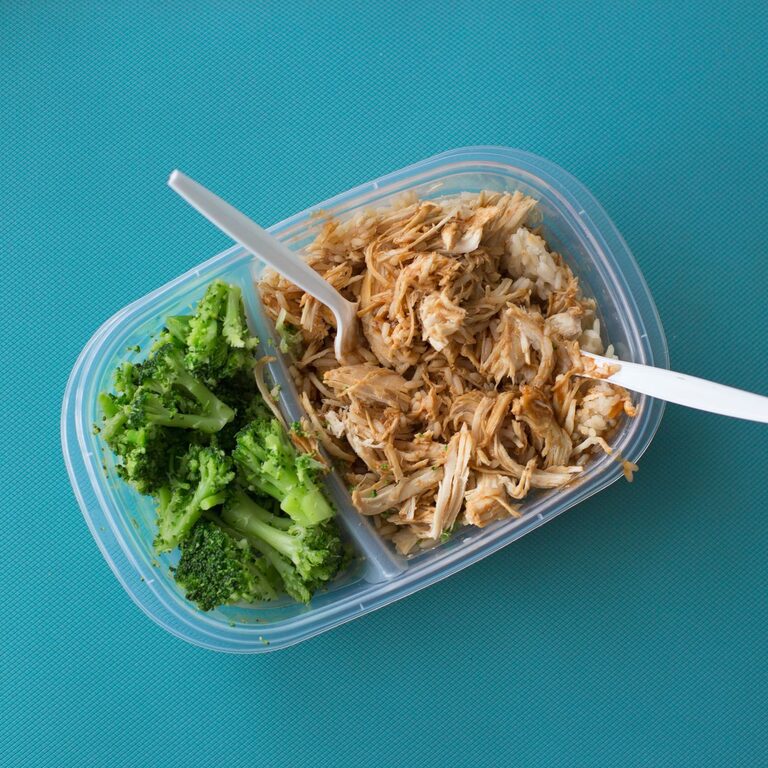
Recipes like stir-fries, casseroles, and sheet pan dinners are naturally low on dishes. These meals often combine protein, vegetables, and starch in one cooking vessel.
Serve Family-Style
Instead of using multiple individual plates and bowls, consider serving meals in larger dishes from the table. This reduces the number of plates and cutlery needing washing.
Involve the Whole Family
Make Cleanup a Team Effort
Assign roles like clearing the table, rinsing dishes, or loading the dishwasher. When everyone helps, cleanup goes faster and feels less like a chore.
Create a Cleanup Routine
Design a simple, consistent routine that everyone knows. For example, clear plates, rinse them, scrub if needed, and put them in the dishwasher or drying rack. A routine makes cleanup predictable and manageable.
Final Touches for a Clean Kitchen
Wipe Counters and Table
After dishes are done, wipe down kitchen counters and dining tables to remove crumbs and spills. Keeping surfaces clean prevents attracting pests and makes food prep more pleasant later.
Sweep or Vacuum the Floor
Dinner often leaves crumbs or dropped food on the floor. A quick sweep or vacuum keeps your kitchen tidy and safe.
—
By adopting these ideas, you can transform dinner cleanup from a dreaded task into a smooth and manageable part of your daily routine. With a little planning, teamwork, and the right tools, you’ll save valuable time and keep your kitchen inviting for your next meal.
About the Author